Every day, tens of thousands of devotees make their way to Ayodhya carrying one singular intention — to stand before Ram Lalla and receive his blessings. Since the consecration of Shri Ram Janmabhoomi Mandir on 22 January 2024, it has rapidly become India’s most visited spiritual destination, with over 135 million visitors recorded in just over two years. And the first question most of them ask before making the journey: how much does it cost?
The answer is clear and unambiguous. Darshan at Ayodhya Ram Mandir is completely free. There is no ticket, no entry fee, no booking charge for general darshan. The Shri Ram Janmabhoomi Teerth Kshetra Trust has maintained free access as a fundamental principle since the temple opened.
This guide covers exactly what’s free, how the Sugam Darshan e-pass works, aarti timings, what to carry, and everything you need to plan a smooth pilgrimage in 2026.
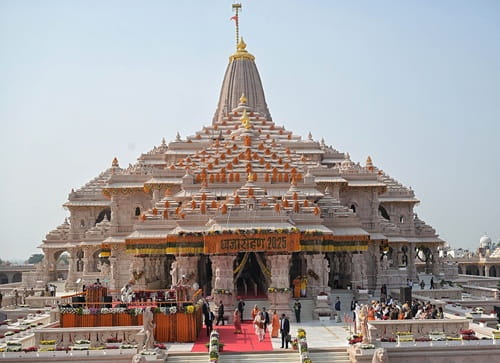
Ayodhya Ram Mandir Ticket Price — Entry Fee 2026
| Type of Access | Cost |
| General Darshan (Ram Lalla) | FREE |
| Sugam Darshan E-Pass | FREE |
| Aarti Passes (Mangala, Shringar, Sandhya, Shayan) | FREE (limited slots) |
| Temple Complex Entry | FREE |
| Personal Puja Sevas (Rudrabhishek, Archana, etc.) | Donation-based (varies) |
Every form of darshan at Ram Mandir is free of cost. No official paid VIP darshan exists from the Shri Ram Janmabhoomi Teerth Kshetra Trust. Any website, agent, or individual charging money for “VIP Darshan” or “special access” is unofficial and should be strictly avoided. The official booking portal is managed by the trust itself at srjbtkshetra.org.
What Is Sugam Darshan — And How Is It Different from Regular Darshan?
Sugam Darshan is the official time-slot based entry system introduced by the temple trust to manage the enormous daily footfall at Ram Mandir. It is sometimes referred to informally as “VIP darshan” by travel agents, but this is a misnomer — Sugam Darshan is simply organised, queue-managed free darshan through an e-pass booking system.
Regular Darshan: Walk-in darshan is available to all devotees without any booking. However, during peak periods — weekends, Ram Navami, Diwali, Kartik Purnima, long weekends — wait times can stretch to 2 to 3 hours or more.
Sugam Darshan E-Pass: A free online time-slot booking that allows devotees to enter through a designated gate at a fixed time, bypassing the general queue. It is faster, more organised, and strongly recommended for families with elderly members, children, or visitors with limited time in Ayodhya.
Both options are free. The Sugam Darshan pass simply provides a reserved time slot for a smoother experience.
How to Book Sugam Darshan E-Pass — Step by Step
- Visit the official booking portal: srjbtkshetra.org
- Register using your mobile number and verify via OTP
- Select “Sugam Darshan” from the dashboard
- Choose your preferred visit date and available time slot
- Fill in personal details and valid ID proof information
- Confirm and download your e-pass (digital or printable)
Important booking rules:
- Sugam Darshan e-passes are released 15 days before the intended darshan date
- Booking opens at midnight on the 15th day prior — popular slots fill within hours on festival dates
- Carry valid photo ID (Aadhaar, PAN, Passport) on the day of visit
- Arrive at least 30 to 45 minutes before your assigned time slot for security checks and queue formation
- Each mobile number can book passes for a limited number of devotees per slot
Ram Mandir Darshan Timings 2026
| Session | Timing |
| Temple Opens | 6:00 AM |
| Morning Darshan | 7:00 AM – 11:30 AM |
| Afternoon Break | 12:00 PM – 2:00 PM |
| Evening Darshan | 2:00 PM – 7:00 PM |
| Temple Closes | 9:00 PM |
| Sunday Evening Extension | Until 7:30 PM |
Timings may vary during major festivals and special religious occasions. Always confirm current timings on the official temple website or helpdesk before your visit day.
Aarti Timings at Ram Mandir Ayodhya
Attending an aarti at Ram Mandir is a profoundly different experience from darshan. The lamps, chants, and spiritual energy during these ceremonies are what stay with most visitors long after they leave Ayodhya. Aarti passes are free but limited — book as early as possible.
| Aarti | Timing | Duration |
| Mangala Aarti (Awakening of deity) | 4:30 AM | 30 minutes |
| Shringar Aarti (Decoration of deity) | 6:30 AM | 30 minutes |
| Madhyahna Aarti (Midday aarti) | 12:00 PM | During noon period |
| Sandhya Aarti (Evening aarti) | Sunset (approx. 6:00–6:30 PM) | 30 minutes |
| Shayan Aarti (Deity’s night rest) | 9:30 PM | 30 minutes |
Aarti passes are separate from Sugam Darshan and must be booked independently on the official portal. Slots are extremely limited, particularly for Mangala and Sandhya aarti — booking immediately upon release is essential during peak pilgrim seasons.
Ayodhya Ram Mandir — Quick Overview
| Detail | Information |
| Full Name | Shri Ram Janmabhoomi Mandir |
| Location | Ram Janmabhoomi Path, Ayodhya, Uttar Pradesh – 224123 |
| Consecration Date | 22 January 2024 |
| Managed By | Shri Ram Janmabhoomi Teerth Kshetra Trust |
| Architecture | Nagara style, Bansi Paharpur pink sandstone |
| Nearest Airport | Maharishi Valmiki International Airport, Ayodhya (~8–10 km) |
| Nearest Railway | Ayodhya Junction / Ayodhya Dham Station |
| Official Website | srjbtkshetra.org |
| Entry Fee | FREE |
| Helpdesk Hours | 10:00 AM – 9:00 PM daily |
About the Temple — Architecture and Significance
Ram Mandir Ayodhya stands on the site traditionally believed to be the birthplace of Lord Shri Ram — the seventh avatar of Lord Vishnu and the central figure of the Ramayana. The temple’s construction, completed after a 500-year spiritual and legal journey, represents one of the most significant moments in modern Indian religious history.
The architecture follows the Nagara style — the dominant temple form of North India — with towering shikhara spires, carved mandapas, and intricate sculptural programmes across every surface. The entire structure is built from pink sandstone quarried at Bansi Paharpur in Rajasthan, with no concrete or steel in the primary construction. Thousands of skilled artisans from across India contributed to the carvings, which depict scenes from the Ramayana, images of deities, and ornamental patterns drawn from ancient Indian temple-building traditions.
The main sanctum houses the idol of Ram Lalla — Lord Ram as a child — in a form that embodies both divine power and childlike grace. The idol is the focal point of all darshan and aarti ceremonies.
Personal Puja Sevas — Booking and Donation
Devotees wishing to perform specific religious services in their family’s name or in memory of departed loved ones can book puja sevas through the official portal. These are not free and involve a donation component that varies by seva type:
- Rudrabhishek — Sacred abhishek ceremony
- Ramayana Path — Recitation of the Ramayana
- Sahasranama Archana — Recitation of the thousand names of Lord Vishnu
- Dedicated offerings in the family’s name
Booking is done through the official trust portal. Avoid unofficial agents offering puja services — the trust’s own system is transparent, verified, and directly supports temple operations.
Temple Rules and Visitor Guidelines
Photography
Mobile phones and electronic devices are generally not permitted inside the main temple premises. Devotees must deposit phones and cameras at locker or cloakroom facilities before entering the security check zone.
Dress Code
Modest attire is mandatory. Shoulders, arms, and knees must be covered. Avoid Western casuals and sleeveless wear. Traditional Indian clothing — dhoti-kurta, salwar-kameez, saree — is the most appropriate and most comfortable choice.
Security
Security at Ram Mandir is stringent and thorough. Visitors should arrive well before their slot time to accommodate security queues. Multiple security checkpoints are in place.
Prohibited Items
Tobacco, alcohol, non-vegetarian food, lighters, sharp objects, large bags, and electronic gadgets are not permitted inside the complex. Locker facilities are available near the entry points.
Children and Elderly
The temple trust provides facilities for elderly and differently-abled devotees. Wheelchair assistance is available. For elderly family members, the Sugam Darshan e-pass is especially important to secure in advance.
How to Reach Ayodhya Ram Mandir
By Air: Maharishi Valmiki International Airport, Ayodhya is 8 to 10 km from Ram Mandir. Cabs and autos are available from the airport.
By Train: Ayodhya Dham Railway Station (recently upgraded) is the primary rail gateway — approximately 1 to 2 km from the temple. Ayodhya Junction is also nearby. Trains from Delhi, Mumbai, Varanasi, Prayagraj, and Lucknow connect to Ayodhya.
By Road: Ayodhya is well connected by road from Lucknow (130 km), Varanasi (200 km), and Prayagraj (160 km). The UP government has significantly improved highway connectivity to Ayodhya since 2024.
Local Transport: E-rickshaws, autos, and cab services are widely available within Ayodhya. The city has been developed with pilgrim infrastructure — signage, clean footpaths, and dedicated pilgrim lanes near the temple.
Best Time to Visit
October to March is the most comfortable season for visiting Ayodhya. The Uttar Pradesh summer (April to June) can be intense, with temperatures frequently crossing 40°C — visiting the open-air pilgrimage city in peak summer is manageable but uncomfortable.
Ram Navami (March/April) and Diwali (October/November) draw the largest crowds by far. These festivals are spiritually significant but require booking passes weeks in advance and expect very high footfall.
Weekday mornings (Tuesday to Friday, 7:00 AM to 10:00 AM) offer the most peaceful darshan experience outside of festival periods.
Other Temples and Attractions in Ayodhya
Ayodhya is one of the seven sacred cities (Sapta Puri) of Hinduism. While Ram Mandir is the primary destination, the city offers much more:
- Hanuman Garhi — A hilltop temple dedicated to Lord Hanuman; considered essential to visit before Ram Mandir darshan
- Kanak Bhawan — A beautiful temple gifted to Sita and Ram by Queen Kaikeyi; notable for its stunning idol and decorative interiors
- Saryu Ghat — The sacred river where evening aarti and boat rides create one of Ayodhya’s most atmospheric experiences
- Dashrath Mahal — The palace of King Dashrath, father of Lord Ram; an important pilgrimage site within the city
- Ram Ki Paidi — The main bathing ghat on the Saryu; particularly crowded during Kartik Purnima
Visitor Planning Checklist
Following this sequence ensures the smoothest experience:
- 15 days before: Book Sugam Darshan e-pass at midnight the moment slots open
- 1 week before: Book aarti passes if attending a specific ceremony
- 3–5 days before: Confirm accommodation and transport bookings
- Day before: Print all passes, check temple timings for any updates
- Morning of visit: Arrive 30–45 minutes before your assigned slot, leave all prohibited items at accommodation
Final Thoughts
Ayodhya Ram Mandir is free to enter, free to experience, and requires nothing more than devotion and a few minutes of advance planning to visit smoothly. The Sugam Darshan e-pass system has genuinely transformed what was once a chaotic queue experience into an organised, respectful pilgrimage. Book early, arrive prepared, respect the temple guidelines, and the darshan of Ram Lalla will be everything the millions who visit every year say it is — peaceful, profound, and unforgettable.
Frequently Asked Questions
Q1. What is the Ayodhya Ram Mandir ticket price in 2026?
There is no ticket price. Darshan at Shri Ram Janmabhoomi Mandir is completely free for all visitors. The Sugam Darshan e-pass is also free. Any agent or website charging for entry is unofficial.
Q2. How do I book the Sugam Darshan e-pass for Ram Mandir?
Visit online.srjbtkshetra.org, register with your mobile number, select Sugam Darshan, choose your date and time slot, and download your e-pass. Passes are released 15 days before the visit date at midnight.
Q3. What are the Ram Mandir darshan timings in 2026?
Morning darshan runs from 7:00 AM to 11:30 AM. Evening darshan is from 2:00 PM to 7:00 PM. The temple opens at 6:00 AM and closes at 9:00 PM. There is an afternoon break from 12:00 PM to 2:00 PM.
Q4. Are mobile phones allowed inside Ram Mandir Ayodhya?
No. Mobile phones and electronic gadgets are generally not permitted inside the main temple premises. Deposit them at locker facilities near the entry points before the security check.
Q5. What is the best time to visit Ayodhya Ram Mandir?
October to March offers the most comfortable weather. For peaceful darshan, weekday mornings between 7:00 AM and 10:00 AM outside festival periods are ideal. Ram Navami and Diwali are spiritually significant but draw enormous crowds.