In the middle of Mumbai’s dense urban fabric, where space is perpetually contested and greenery is genuinely rare, Byculla Zoo — officially named Veermata Jijabai Bhosale Botanical Udyan and Zoo — occupies 60 acres of remarkable historical green space. Established in 1861 as Victoria Gardens and opened to the public in 1862, it is not only Mumbai’s only zoo but also the city’s oldest public garden. The 500-year-old African Baobab trees at its entrance, the Humboldt penguins kept in a specially acclimatised chamber, the aquatic birds aviary, and the Dr. Bhau Daji Lad Museum within the complex combine to make this considerably more than a standard zoo visit.
And it’s extraordinarily affordable.
Byculla Zoo Ticket Price 2026 — Entry Fee
| Category | Entry Fee |
| Adults (above 12 years) | ₹50 |
| Children (3 to 12 years) | ₹25 |
| Family Ticket (2 Adults + 2 Children) | ₹100 |
| Foreign Nationals (Adult) | ₹400 |
| Foreign Nationals (Child) | ₹200 |
| Humboldt Penguin Enclosure (additional) | ₹50 per adult |
| Monthly Pass | ₹150 |
| Photography (DSLR) | ₹100 |
| Videography | ₹300 |
Free Entry Categories
- Children below 3 years: Free at all times
- Children below 12 years: Free every Friday
- Senior Citizens (above 60 years): Free entry
- Persons with disabilities: Free entry
The Friday free entry for children is a genuinely significant benefit — families with school-age children visiting on Fridays pay only for adults, reducing the cost of a family of four to just ₹100.
Byculla Zoo — Quick Overview
| Detail | Information |
| Official Name | Veermata Jijabai Bhosale Botanical Udyan and Zoo |
| Also Known As | Byculla Zoo / Rani Baug / Jijamata Udyan |
| Address | 91A, Lalbaug Flyover, Near Byculla Railway Station, Byculla East, Mumbai – 400027 |
| Managed By | Brihanmumbai Municipal Corporation (BMC/MCGM) |
| Established | 1861 (Opened to public: 19 November 1862) |
| Total Area | 60 acres (approximately 50 acres zoo; 10 acres botanical garden) |
| Animals | 300+ across mammals, birds, and reptiles |
| Plants | 4,000+ trees; 850+ plant varieties |
| Weekly Closing | Wednesday |
| Timings | 9:30 AM – 5:30 PM (general visitors) |
| Morning Walk | 6:00 AM – 8:00 AM |
| Nearest Railway Station | Byculla Station, Central Line (~550 metres) |
| Adult Entry | ₹50 |
| Child Entry (3–12 years) | ₹25 |
Byculla Zoo Timings 2026
| Session | Timing |
| Morning Walkers | 6:00 AM – 8:00 AM |
| General Visitors | 9:30 AM – 5:30 PM |
| Ticket Counter Closes | 30 minutes before closing |
| Weekly Holiday | Wednesday |
If a public holiday falls on Wednesday, the zoo remains open on that day and the weekly closure shifts to the next working day.
Arrive by 10:00 AM for the best animal viewing experience — most species are active in the morning hours before the midday heat. The penguin enclosure gets particularly crowded between 11:00 AM and 2:00 PM on weekends.
Attractions Inside Byculla Zoo
The Humboldt Penguin Enclosure — Mumbai’s Biggest Draw
Seven Humboldt penguins, native to South America but brought from Seoul Zoo, are housed in a specially climate-controlled building within the zoo premises. The chamber maintains the cold, humid conditions of the Humboldt Current coastal environment where these penguins naturally live. Veterinarians monitor them daily, CCTV cameras ensure welfare compliance, and the clean air circulation system is maintained to international standards.
Visitors observe the penguins through a transparent enclosure as they swim, waddle, and interact with each other. An additional ₹50 per adult is charged for the penguin enclosure — at this price, it is arguably Mumbai’s best-value wildlife experience.
The Zoo Campus — Animals
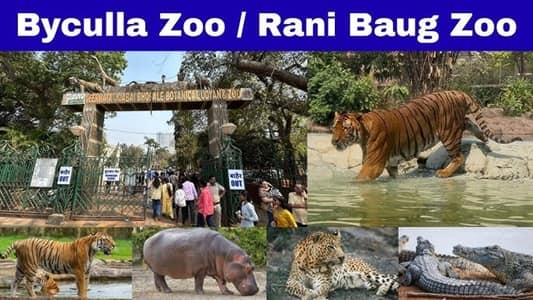
Byculla Zoo houses over 300 animals across species that include tigers, lions, leopards, Indian elephants, hippopotamuses, rhinoceroses, crocodiles, pythons, monitor lizards, hyenas, sloth bears, jackals, swamp deer, nilgai, spotted deer, and various monkey species.
The animal enclosures are set within the botanical garden landscape — visitors walk through actual greenery rather than concrete corridors, which creates a substantially more pleasant experience than inner-city zoos typically offer.
Aquatic Birds Aviary
A newly constructed walk-through aviary for aquatic birds allows visitors to move through an environment populated by storks, flamingos, pelicans, herons, albino crows, cranes, and several other species. A wooden bridge runs through the aviary providing multiple viewpoints. Photography opportunities here — particularly with flamingos and large wading birds — are excellent.
The African Baobabs — 500-Year-Old Icons
Two African Baobab trees at the entrance to the zoo are among the most ancient living things in Mumbai. Estimated to be approximately 500 years old, their short, enormously thick trunks are a visual shock against the standard tree shapes of the surrounding garden. They bloom once a year between April and June — a rare sight within the city. The Baobab’s capacity to store large quantities of water in its trunk is a fascinating botanical story in itself.
Botanical Garden
The botanical garden within the zoo complex houses over 4,000 trees and more than 850 varieties of plants, including several rare and medicinal species. This makes it one of the most significant urban botanical collections in Maharashtra. Ancient trees, including some of the oldest banyan specimens in Mumbai, are scattered across the garden with identifying plaques.
The garden’s Pyaavs — traditional stone water-dispensing structures built during colonial Bombay — are unique heritage elements rarely seen anywhere else in the city.
Statue of Bal Shivaji and Jijamata
At the centre of the botanical garden stands a bronze statue of the young Chhatrapati Shivaji Maharaj with his mother Jijabai — the figure after whom the park is now named. A bronze ceremonial umbrella canopy erected in 1992 frames the composition. The statue serves as both a historical monument and a cultural focal point within the garden.
David Sassoon Clock Tower
The 75-foot clock tower at the entrance gate is a striking piece of Mumbai’s architectural heritage. Built in the Italian Renaissance style using imported ornamental stone and decorative tiles from England, it is a reminder of the colonial-era urban ambition that created Victoria Gardens. The Greco-Roman styling of the entrance gate and associated buildings adds to the heritage architectural experience.
Dr. Bhau Daji Lad Museum
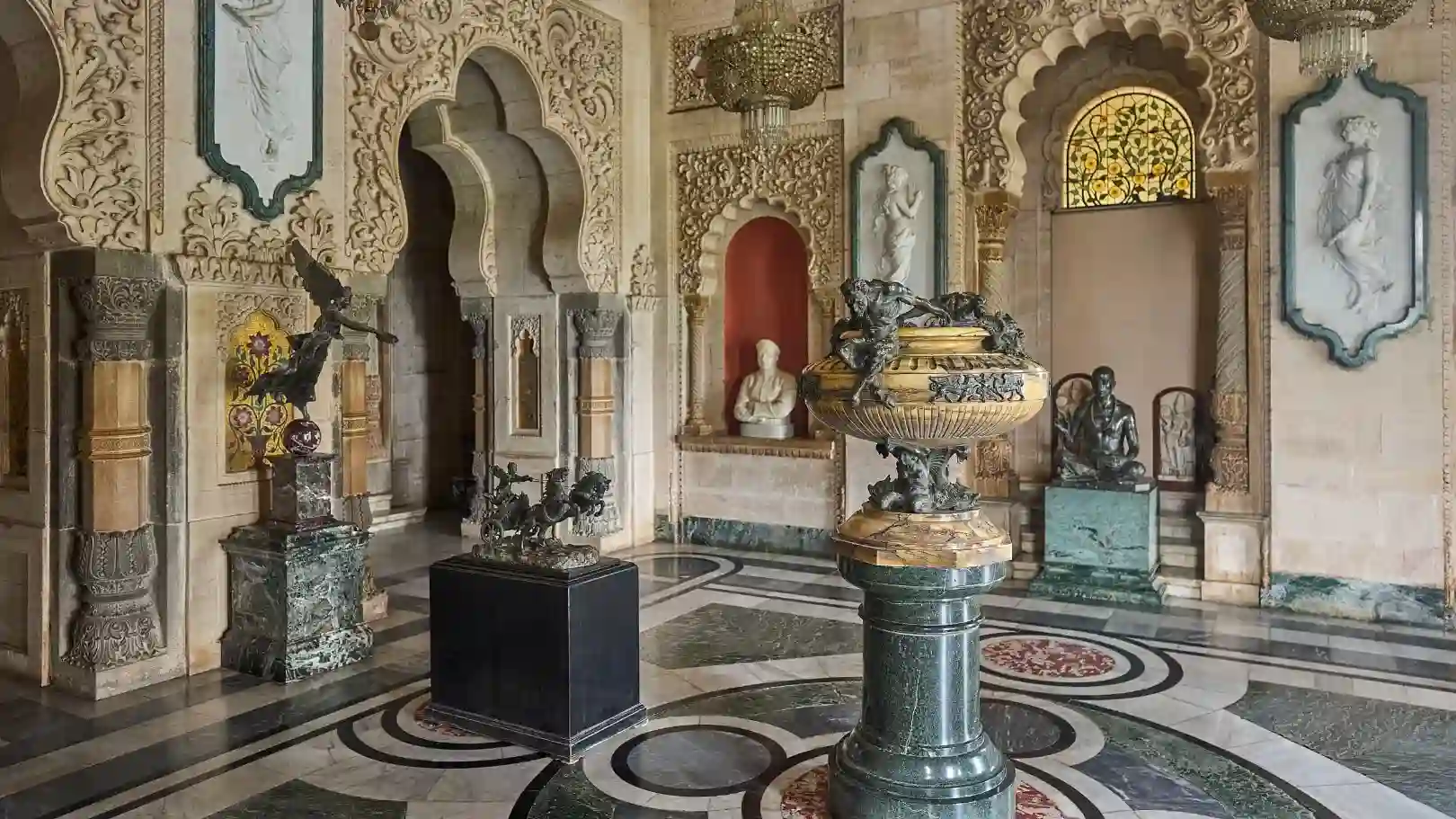
Located within the zoo complex, the Dr. Bhau Daji Lad Museum is one of Mumbai’s most important history museums — covering the city’s social, cultural, and industrial history through artefacts, documents, and decorative arts. A museum shop and café are also available within the museum building. Entry to the museum is separately ticketed but combining it with a zoo visit creates a genuinely comprehensive 3 to 4-hour cultural experience.
Online Ticket Booking
Byculla Zoo tickets are available online through the official MCGM portal (themumbaizoo-ticket.mcgm.gov.in). Online booking is recommended for weekend visits and group outings to avoid counter queues. Ticket counter windows open 30 minutes before the zoo’s general visitor entry time.
How to Reach Byculla Zoo
By Local Train: Byculla Railway Station on the Central Line is just 550 metres from the zoo entrance — essentially a 5-minute walk. This is the fastest and most convenient option from anywhere in Mumbai on the Central or Harbour Line.
By Bus: BEST bus routes serving the Byculla and Mazgaon areas stop directly near the zoo. Multiple routes connect from Churchgate, CST, Dadar, and Kurla.
By Metro: Mumbai Metro connectivity is expanding across the city — check current metro routes and nearest stations for the latest connectivity to Byculla.
By Cab: Ola and Uber are available throughout Mumbai. Set the destination as “Byculla Zoo” or “Veermata Jijabai Bhosale Udyan.” From CST, the drive is approximately 10 to 15 minutes. From Andheri, expect 45 to 60 minutes depending on traffic.
By Road: The zoo is at 91A, Lalbaug Flyover, near Byculla Railway Station in Byculla East. Parking is available at a nominal charge near the entrance.
Best Time to Visit
November to February is the most comfortable season — Mumbai’s winter months bring lower humidity and pleasant daytime temperatures, making a 3 to 4-hour outdoor zoo visit genuinely enjoyable.
Friday mornings are the best single time slot for families with children — free entry for children below 12 reduces the cost, and Friday footfall is consistently lower than weekends.
Weekday mornings between 9:30 AM and 12:00 PM see the lowest crowds and the best animal activity.
April to June is interesting for one specific reason — the African Baobab trees bloom during this window, which is a botanical rarity worth timing a visit around.
Wednesday — The zoo is closed. Plan around this.
Nearby Attractions
Byculla Zoo sits within one of Mumbai’s most culturally layered neighbourhoods:
- Bhau Daji Lad Museum — Within the zoo complex; one of India’s finest city history museums
- Mahalakshmi Temple — 5 km; one of Mumbai’s most important temples
- Haji Ali Dargah — 6 km; the iconic sea mosque on a causeway
- Chhatrapati Shivaji Maharaj Vastu Sangrahalaya (Prince of Wales Museum) — 5 km; Mumbai’s premier art and history museum
- CST (Victoria Terminus) — 5 km; a UNESCO World Heritage railway station
Final Thoughts
At ₹50 for adults and ₹25 for children — with senior citizens, disabled visitors, and children under 12 on Fridays entering free — Byculla Zoo is perhaps the best-value outing in Mumbai. The Humboldt penguins alone justify the visit for families with children. The African Baobab trees, the walk-through bird aviary, the botanical garden with 850+ plant species, and the Dr. Bhau Daji Lad Museum within the same complex make it a genuinely layered experience that surprises most first-time visitors who arrive expecting a basic city zoo. Arrive on a weekday morning, spend 3 to 4 hours exploring everything, and leave knowing you’ve seen one of Mumbai’s most underappreciated landmarks.
Frequently Asked Questions
Q1. What is the Byculla Zoo ticket price in 2026?
Adults pay ₹50 and children (3–12 years) pay ₹25. A family ticket for 2 adults and 2 children is ₹100. Foreign nationals pay ₹400 (adult) and ₹200 (child). Senior citizens, disabled visitors, and children under 12 on Fridays enter free.
Q2. Is the Humboldt Penguin enclosure free?
The penguin enclosure requires an additional ₹50 per adult beyond the standard zoo entry. Children’s charges vary — verify at the ticket counter. The enclosure visit is highly recommended and is the most popular attraction at Byculla Zoo.
Q3. What are the Byculla Zoo timings?
General visitors are welcome from 9:30 AM to 5:30 PM. Morning walkers enter from 6:00 AM to 8:00 AM. The zoo is closed every Wednesday.
Q4. Which is the nearest station to Byculla Zoo?
Byculla Railway Station on the Central Line is just 550 metres away — a 5-minute walk from the zoo entrance.
Q5. Is Byculla Zoo open on Sundays?
Yes. The zoo is open on Sundays and all days of the week except Wednesday. If a public holiday falls on Wednesday, the zoo stays open that day and the closure shifts to the next working day.