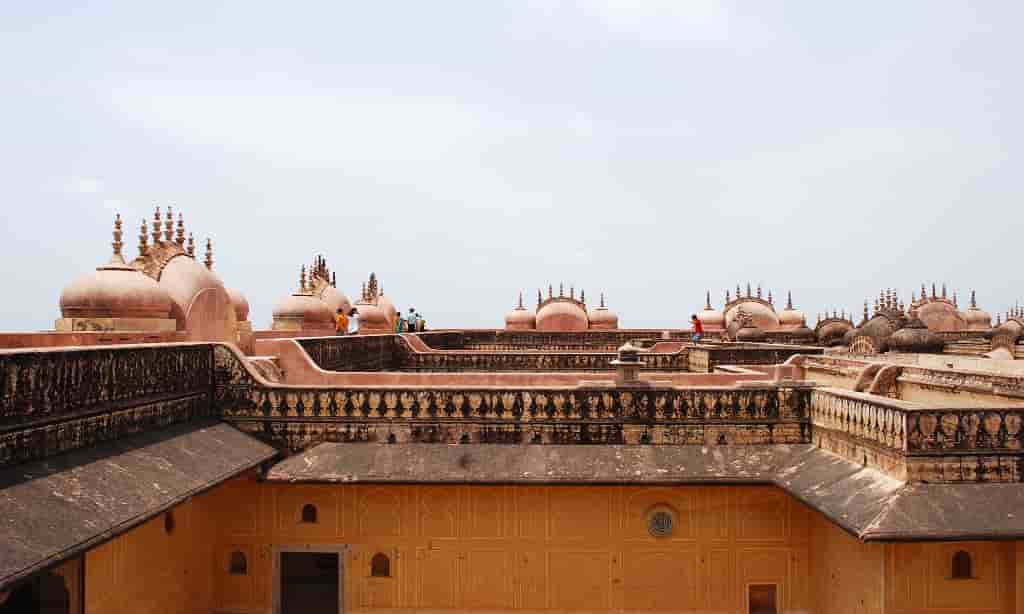
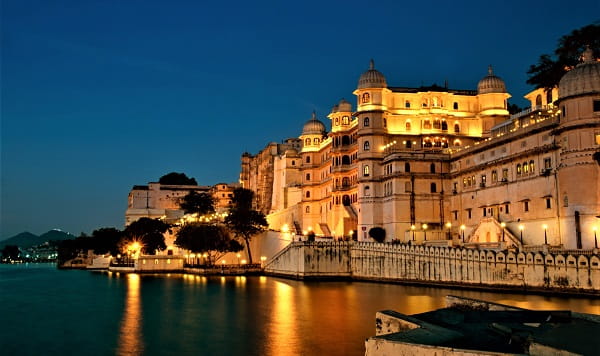
Perched above the shimmering eastern banks of Lake Pichola, with the Aravalli hills as its backdrop and the Lake Palace floating white on the water below, City Palace Udaipur holds a distinction that no other palace in Rajasthan can claim — it took 22 generations of Maharanas and nearly 400 years to build. Foundation stone laid by Maharana Udai Singh II in 1559. Final additions made in the early 20th century. The result is not a single palace but an interlocking series of palaces, courtyards, galleries, and ceremonial halls that together form the largest palace complex in Rajasthan.
Crucially, it is also still a working royal residence. The Mewar royal family continues to live within sections of the complex, making it one of very few royal palaces in the world where the original dynasty occupies a living wing while the rest functions as a heritage museum.
All ticket prices below reflect current 2026 rates from multiple verified sources.
City Palace Udaipur Ticket Price 2026
City Palace operates a tiered ticketing system with separate charges for the palace complex, the museum, additional galleries, and optional experiences.
City Palace Museum — Main Entry
| Category | Indian Price | Foreigner Price |
| Adult | ₹300 | ₹700 |
| Child / Student (with ID) | ₹200 | Concessional |
| SAARC Country Visitors | ₹300 (same as Indian) | — |
What’s included: Full access to the main museum complex covering courtyards, galleries, armories, and heritage rooms including Mor Chowk (Peacock Courtyard), Zenana Mahal, Sheesh Mahal, and all public museum sections.
Crystal Gallery (Additional Entry)
| Category | Price |
| Adults | ₹500 |
| Children | ₹300 |
The Crystal Gallery houses an extraordinary collection of 19th-century crystal objects — furniture, tableware, bath fittings, and decorative items — ordered by Maharana Sajjan Singh from F&C Osler of Birmingham in 1877 but never used during his lifetime. The collection remained sealed for decades and is now one of the most unusual exhibits in any royal palace in India.
Optional Shows and Experiences
| Show | Adult | Child |
| Legacy of Honour (Light & Sound Show) | ₹150 | ₹75 |
| Yash ki Dharohar Show | ₹100 | ₹50 |
Legacy of Honour runs from 7:00 PM to 8:00 PM. Yash ki Dharohar runs from 8:00 PM to 9:00 PM.
Additional Services
| Service | Price |
| Audio Guide | ₹200 (extra, beyond entry ticket) |
| Still Camera | ₹200 |
| Video Camera | ₹500 |
| Guide Hire | ₹300 – ₹500 |
| Ferry Ride to Jagmandir | ₹400 per person |
| Luxury Boat Ride (Lake Pichola) | ₹700 per person |
City Palace Udaipur — Quick Overview
| Detail | Information |
| Official Name | City Palace, Udaipur |
| Also Known As | Udaipur City Palace Museum / Pratap Museum |
| Address | Lake Pichola, City Palace Complex, Udaipur, Rajasthan – 313001 |
| Construction Began | 1559 (Maharana Udai Singh II) |
| Time to Complete | ~400 years, 22 rulers |
| Architecture Style | Rajput, Mughal, Chinese, and European blend |
| Managed By | Maharana of Mewar Charitable Foundation |
| Timings | 9:30 AM – 5:30 PM |
| Ticket Counter Closes | 30 minutes before closing |
| Weekly Closing | Open all 7 days |
| Distance from Railway Station | ~2 km (Udaipur City Station) |
| Distance from Airport | ~24–28 km (Maharana Pratap Airport) |
| Indian Adult Entry | ₹300 |
| Foreigner Adult Entry | ₹700 |
City Palace Udaipur Timings 2026
| Session | Timing |
| Museum and Palace Complex | 9:30 AM – 5:30 PM |
| Ticket Counter Closes | 5:00 PM (30 minutes before) |
| Evening Shows | 7:00 PM – 9:00 PM |
| Open On | All 7 days of the week |
The palace opens all year round with no weekly holiday. Arrive by 9:30 AM when the ticket counter opens — large tour groups typically begin arriving between 10:30 AM and 11:00 AM, so the first hour offers the best experience for photography and uncrowded courtyard exploration.
History — Four Centuries, 22 Rulers
The founding of City Palace is inseparable from the founding of Udaipur itself. When Maharana Udai Singh II, facing constant Mughal pressure on Chittorgarh, chose to establish a new capital near Lake Pichola in 1559, the first structure he built was what would become the seed of City Palace — a modest royal courtyard called Rai Angan.
Each of the 22 succeeding Maharanas added their own contributions — new palaces, new courtyards, new reception halls and zenana quarters — over the next four centuries. The result is an architectural timeline: Rajput fortress elements from the early centuries, Mughal decorative influence from the 17th century, European baroque touches from the 19th century, and Chinese tile work brought in as trade goods and integrated into select interior spaces.
The corridors connecting the different palace sections were intentionally built in zigzag patterns — a defensive strategy to slow enemy infiltration and prevent direct line-of-sight movement through the complex. These same corridors now create the slightly labyrinthine navigation experience that first-time visitors either love or find disorienting.
The Maharana of Mewar Charitable Foundation manages the public and museum sections while the royal family continues to occupy the Shambhu Niwas area of the complex.
What to See Inside City Palace Udaipur
Mor Chowk — Peacock Courtyard
The most celebrated interior space at City Palace is Mor Chowk, where three elaborate mosaic panels depict peacocks in stunning detail using coloured glass and ceramic tile inlay. Created in the 17th century under Maharana Sangram Singh II, each panel represents a season — summer, winter, and monsoon — through the posture and colouration of the peacock depicted. The work is extraordinarily fine; standing close, individual glass pieces the size of thumbnails create the texture of feathers and the shimmer of the blue-green plumage. Photography here is consistently among the best shots visitors take anywhere in Rajasthan.
Zenana Mahal — Women’s Palace
The Zenana Mahal was the private quarter of the royal women and has been converted into the primary museum section of City Palace. It houses the largest collection of royal artefacts in the complex — royal costumes, weapons, shields, paintings, manuscripts, and historical photographs showing life at the Udaipur court from the 17th century onward. The collection of miniature paintings in the Rajput tradition is particularly significant. The Mewar school of miniature painting developed distinctive characteristics — bold colours, detailed natural imagery, and specific compositional conventions — that are well-represented here.
Sheesh Mahal — Palace of Mirrors
The Sheesh Mahal’s interior walls, ceilings, and alcoves are covered in mosaic mirror work, creating an effect where a single candle multiplies into hundreds of reflections. Originally used for the Maharana’s private retreat and celebration of Diwali (the traditional Festival of Lights), the space is architecturally dramatic in a way that photographs cannot fully convey — the spatial experience of standing inside it is the point.
Rajya Angan — Royal Courtyard
The ceremonial heart of the complex, where elephant parades, cavalry assemblies, and public durbar gatherings took place. A gallery in this courtyard is dedicated to Maharana Pratap — the legendary warrior king who never submitted to Mughal authority — and his horse Chetak, whose loyalty and sacrifice during the Battle of Haldighati became one of Rajputana’s most celebrated stories.
Crystal Gallery
One of the most surprising museum experiences in any Indian palace. When Maharana Sajjan Singh placed an extraordinary order with F&C Osler of Birmingham in 1877, the company produced crystal dining tables, chairs, dressing tables, sofas, bath fittings, crystal fountains, and over 300 other items. The Maharana died before the shipment could be properly installed. The collection was stored and remained largely sealed until the late 20th century. What is now on display — including full crystal beds, tables, and bath fittings — is unlike anything else in India. The ₹500 additional entry is worthwhile for anyone interested in royal history and decorative arts.
Manek Chowk
The main outer courtyard was used for public durbar gatherings and ceremonial events. Today it serves as the orientation space and point of departure for the internal museum sections. The eight ornamental stone arches (torans) on the east wall and the principal gate Badi Pol are the defining architectural elements of the entry sequence.
Badi Pol — The Great Gate
The primary entrance to the City Palace complex, featuring eight stone arches that commemorate the eight Maharanas who contributed significantly to the palace’s construction and expansion. Elephants were weighed here as a measure of royal wealth — a tradition called Tula Dan.
Lake Pichola Boat Ride
The boat ride from the ghats adjacent to City Palace is one of the most photographed experiences in Udaipur — and for good reason. From the water, the scale of City Palace becomes apparent as it rises from the lake bank to the hilltop, with the white Lake Palace in the middle distance and the Aravalli hills beyond.
Boat rides depart from Rameshwar Ghat at the base of City Palace:
| Boat Type | Price |
| Ferry to Jagmandir | ₹400 per person |
| Luxury Cruise (Hotel Pichola) | ₹700 per person |
Sunset boat rides are the most sought-after — timing your visit to catch the 4:30 PM to 5:30 PM golden hour from the water is one of Udaipur’s defining experiences.
Evening Shows at City Palace
Legacy of Honour (7:00 PM – 8:00 PM, ₹150): A multimedia light and sound show presented within the City Palace complex, narrating the history of Mewar’s royal dynasty, its battles, its cultural legacy, and the founding of Udaipur.
Yash ki Dharohar (8:00 PM – 9:00 PM, ₹100): A shorter heritage presentation following the Legacy of Honour, covering additional aspects of Mewar history and culture.
How to Reach City Palace Udaipur
By Auto/Taxi: The most practical option from anywhere in Udaipur. The palace is in the Old City near Lake Pichola and is well-known to all drivers. From Chetak Circle, autos charge ₹100 to ₹200 for the short ride.
On Foot: From Lal Ghat, Gangaur Ghat, or Hanuman Ghat (where most heritage hotels are concentrated), City Palace is within 5 to 10 minutes walking distance.
By Train: Udaipur City Railway Station is approximately 2 km from the palace — a 5 to 10-minute cab or auto ride.
By Air: Maharana Pratap Airport is approximately 24 to 28 km away — a 50 to 60-minute cab ride of ₹300 to ₹700 depending on cab type.
Best Time to Visit
October to March is the most comfortable season. Udaipur’s winters are mild and the palace’s extensive walking areas are enjoyable in cooler temperatures.
Early morning (9:30 AM – 11:00 AM) offers the best light for photography — the east-facing palace façade catches the morning sun directly — and the least crowded corridors before tour groups arrive.
Monsoon (July to September): Lake Pichola is full, the surrounding hills are green, and the atmosphere is dramatically different. Fewer crowds but verify boat ride availability during heavy rainfall.
Nearby Attractions
- Bagore Ki Haveli — 5-minute walk; famous for its evening folk dance performances
- Jagdish Temple — A 5-minute walk from the palace; dedicated to Lord Vishnu
- Saheliyon Ki Bari — 3 km; the Garden of the Maidens, built for royal ladies-in-waiting
- Fateh Sagar Lake — 4 km; the evening hangout lake with local street food
- Monsoon Palace (Sajjangarh) — 5 km; panoramic views over the city from the hilltop
Final Thoughts
City Palace Udaipur rewards time. The visitors who rush through in 90 minutes typically miss the Sheesh Mahal’s mirror magic, the subtlety of the Mor Chowk peacock panels, and the entire Crystal Gallery. Block 2.5 to 3 hours minimum. Add the Crystal Gallery if decorative arts interest you at all. Time your visit to end at the lake ghats for the sunset boat ride. And if you can stay until the evening shows, the storytelling of Mewar’s history in the Legacy of Honour show ties together everything you’ve seen inside the palace. At ₹300 for Indians covering the full museum complex, City Palace Udaipur is extraordinary value for what is genuinely Rajasthan’s most layered and complex royal heritage experience.
Frequently Asked Questions
Q1. What is the City Palace Udaipur ticket price in 2026?
A: Indian adults pay ₹300 for the museum entry. Foreigners pay ₹700. Students with valid ID pay ₹200. The Crystal Gallery requires an additional ₹500 for adults and ₹300 for children.
Q2. What are the City Palace Udaipur timings?
A: The palace is open 9:30 AM to 5:30 PM every day including weekends. Ticket counter closes at 5:00 PM. Evening shows (Legacy of Honour and Yash ki Dharohar) run from 7:00 PM to 9:00 PM.
Q3. What is the Crystal Gallery at City Palace Udaipur?
A: The Crystal Gallery houses a remarkable 19th-century collection of crystal furniture, bath fittings, and decorative objects ordered from Birmingham but never used during the ordering Maharana’s lifetime. It requires an additional entry ticket of ₹500 (adult Indian).
Q4. Is City Palace Udaipur open on all days?
A: Yes. City Palace is open seven days a week throughout the year with no weekly holiday.
Q5. How far is City Palace from Udaipur Railway Station?
A: Udaipur City Railway Station is approximately 2 km from City Palace — a 5 to 10-minute auto-rickshaw ride.